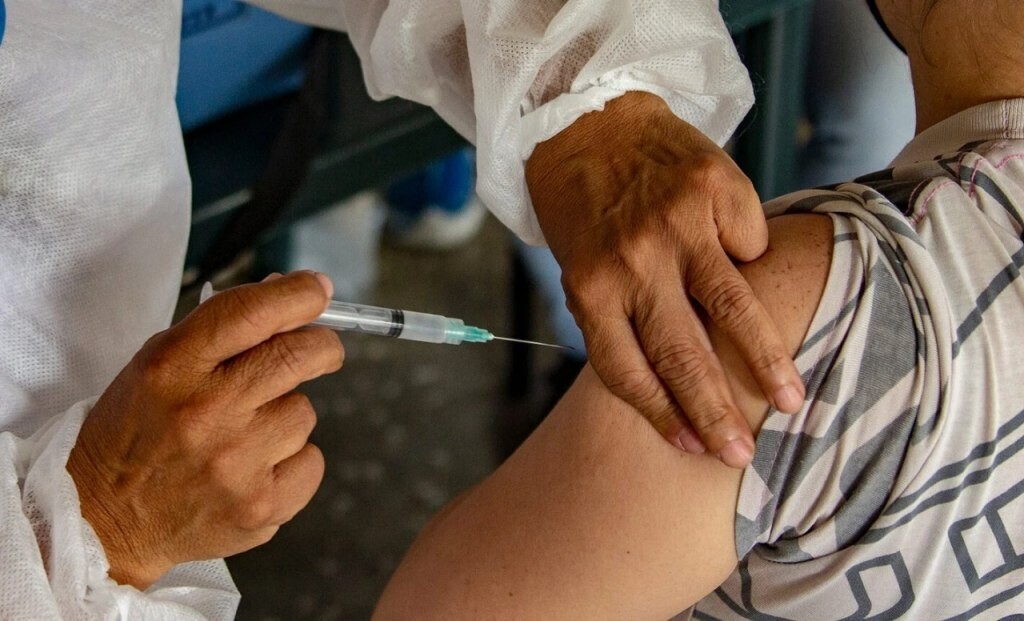
On World Neglected Tropical Diseases Day, observed every January 30, experts are drawing attention to how climate change is altering public health scenarios that previously had well-defined seasonality. According to a report seen by the Argentine News Agency, diseases like dengue—typically a summer illness—and the flu or other respiratory conditions—common in winter—are now presenting unpredictably. In fact, cases of the flu are being recorded in the middle of January, and during the last winter, some dengue cases persisted, especially in the country's northern provinces. 'In 2024, there were no 'epidemiological silences': in provinces like Formosa, dengue continued to circulate even during the colder months,' stated Dr. Analía Urueña, an infectious disease physician and vice president of the Argentine Society of Vaccinology and Epidemiology (SAVE). These diseases are caused by viruses, bacteria, parasites, fungi, or toxins and have devastating social, economic, and health consequences globally. In Argentina, in addition to dengue, specialists are warning about the presence of other neglected tropical diseases such as Chagas, leprosy, scabies, rabies, snakebites, mycetoma, taeniasis, cysticercosis, helminthiases, food-borne trematodiases, leishmaniasis, and hydatidosis, among others. Regarding dengue prevention, in addition to measures aimed at stopping mosquito proliferation (clean-up, removal of stagnant water containers) and reducing the risk of bites (using repellent, loose clothing, and mosquito nets), experts emphasize the importance of consulting with healthcare teams about the recommendation and advisability of vaccination, according to each particular situation. Takeda, the developer of the tetravalent dengue vaccine approved by ANMAT in 2023 for those over 4 years old, recently presented data showing sustained protection for 7 years against all four serotypes after completing a two-dose schedule separated by 90 days, regardless of prior dengue virus infection. Scientific evidence confirms a favorable benefit-risk profile for the vaccine and demonstrates that the two-dose regimen provides sustained protection against dengue. 'The research included a detailed analysis of all available evidence to date and confirmed an adequate safety profile, as well as its effectiveness in preventing symptomatic dengue cases and, even more so, hospitalizations for severe cases, especially those caused by DEN-1 and DEN-2 serotypes,' added Dr. These findings align with indications approved in multiple countries and could help simplify vaccination schedules and improve adherence. However, with the current evidence, some uncertainties remain in seronegative patients (without prior infection) regarding efficacy against certain serotypes, particularly 3 and 4. 'Furthermore, the possibility of co-administering the vaccine without affecting immunogenicity alongside vaccines for hepatitis A, yellow fever, HPV, and even the flu or COVID-19 represents a significant advantage,' explained Dr. Susana Lloveras, an infectious disease specialist and a professor at the Infectious Diseases Department of the UBA Faculty of Medicine. She also added: 'This phenomenon is explained by a combination of factors, including disordered urbanization, a sustained increase in temperatures, and extreme climate variability. These conditions not only favor the proliferation of the Aedes aegypti mosquito but also its expansion into regions where it was not historically present, expanding the risk of transmission in much of the country.' Especially in regions like the NEA (Northeast Argentina) and NOA (Northwest Argentina), prolonged heatwaves and intense rains consolidate an ideal environment for the vector. Today, much of the country, including the most densely populated central region, has characteristics closer to a tropical or subtropical climate, which increases the risk of transmission and forces the need to update prevention strategies. 'Climate change is altering epidemiological patterns and forces us to rethink public health prevention measures, especially against vaccine-preventable diseases like dengue, for which certain populations face an increased risk,' added Dr. Urueña.